Auto Shipping in a Data-Driven World: A Smarter Way to Move Your Car.
Why Auto Shipping Has Become the Default
Not long ago, moving a car across the country meant either a long solo drive or a frustrating series of phone calls to figure out what a carrier might charge. Auto shipping has changed dramatically since then, and much of that change comes down to technology. Today you can price a shipment, book it, and follow its progress with the same ease you would expect from any modern app. For a tech-minded reader, that evolution is worth understanding, because it explains why auto shipping is now the default choice for so many people who need to move a vehicle without putting hundreds or thousands of miles on it themselves. The industry runs on data, and that data works in your favor.
What Auto Shipping Actually Is
Auto shipping is simply the process of transporting a vehicle on a carrier rather than driving it. Some people call it car shipping, others auto transport, but they all describe the same service: a professional loads your car onto a trailer, secures it, and delivers it to an agreed location. The reasons people use it are everyday ones, from relocating for a new job to buying a car online from a distant seller to sending a vehicle to a family member. Whatever the trigger, the goal is always the same, which is to get the vehicle where it needs to be safely and without the wear and time a long drive would add.
How Technology Reshaped the Experience
The biggest shift is speed and transparency. Modern auto transport companies feed live carrier availability, fuel prices, and route demand into pricing engines that return a real figure in seconds. Behind the scenes, dispatch software matches your shipment to the most efficient carrier and route, and tracking tools keep you updated along the way. What used to take days of back and forth now takes a couple of minutes on a screen. The human side still matters, since experienced dispatchers and drivers do the actual work, but technology has stripped out most of the friction that once made auto shipping feel like a chore.
What Drives the Cost of Auto Shipping
Before comparing offers, it helps to understand what shapes the price. A handful of factors do most of the work, and none of them are mysterious once you know what to look at. Once you can see how each one moves the price, comparing auto shipping quotes becomes far easier, and no estimate will catch you off guard.
Distance, Vehicle and Route
Distance is the biggest single factor, although the cost per mile usually drops the further your car travels, which makes long hauls better value than they first appear. Vehicle size and weight matter too, since a large SUV or truck occupies more space on the trailer and leaves room for fewer vehicles. Route plays its part as well: busy corridors between major cities are cheaper and faster to serve than remote pickups far from the interstate. Layer in seasonal demand, and you have the full set of inputs that any auto shipping quote reflects.
Getting Instant Auto Transport Quotes
The tool that transformed the industry is the online calculator. Instead of waiting on a phone call, you enter your locations, vehicle details, and dates, and receive an all-inclusive price almost instantly. Gathering a few auto transport quotes this way is the fastest route to understanding a fair rate for your journey, because the numbers come from current carrier data rather than guesswork. Once you have several estimates, compare not just the headline price but what each includes, since the cheapest figure is not automatically the best value and the best car shipping company for you is usually the most transparent one.
Open vs Enclosed Auto Shipping
Nearly every shipment travels one of two ways, and the right choice depends on the vehicle and your budget.
Open Transport for Everyday Vehicles
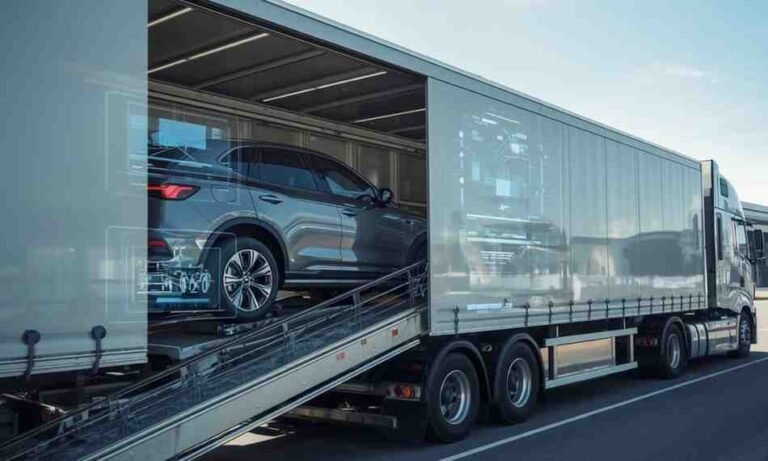
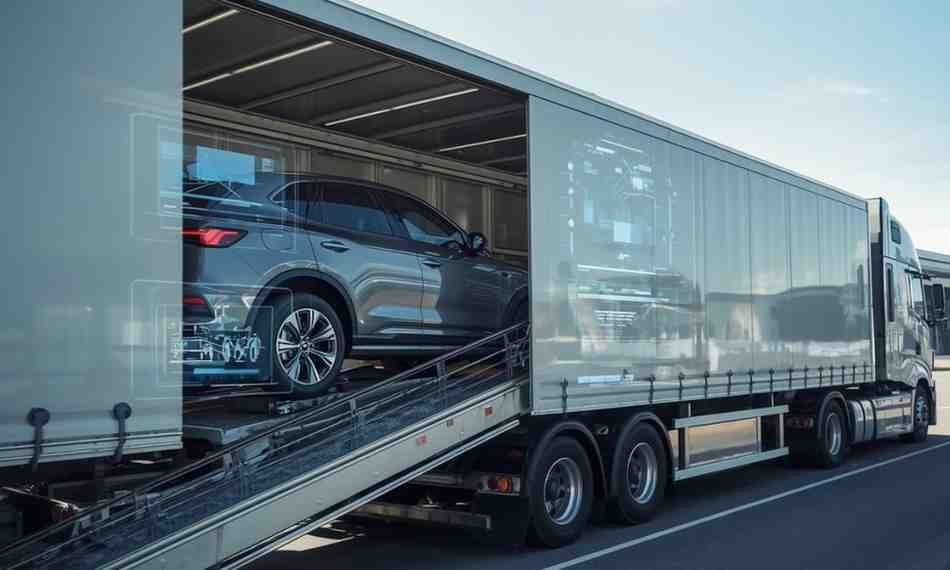
Open transport is the workhorse of auto shipping. Your car rides on an open, multi-car trailer alongside several others, the same way new cars reach dealerships. It is affordable, widely available, and perfectly safe for a standard vehicle. The car is exposed to weather and a little road grit during the trip, but for a normal daily driver, that is a small trade-off in exchange for a lower price and quicker scheduling. For the vast majority of shipments, open transport is exactly what the situation calls for, and it is the reason the method dominates the industry.
Enclosed Transport for Prized Cars
Enclosed transport is the option for vehicles that deserve extra care, such as classics, exotics, luxury models, and cars with delicate custom finishes. The vehicle travels inside a fully covered trailer, protected on all sides from weather and debris. It costs more, often thirty to forty percent above open transport, and fewer enclosed trailers are on the road, so it can take longer to schedule. For a high-value or irreplaceable car, though, that added protection is precisely what makes the premium worth paying and gives owners real peace of mind on a long trip.
Choosing a Reliable Auto Shipping Provider
Technology makes quoting easy, but you still want confidence in whoever handles your car. A short round of research is all it takes.
Licensing, Insurance and Reviews
Confirm that the company and its carriers are properly licensed and registered, which in the United States you can verify through the Federal Motor Carrier Safety Administration. Make sure your shipment is covered by cargo insurance during loading, transit, and unloading. Then read reviews across independent platforms rather than the testimonials a company selects for its own site. Consistent feedback about clear communication and on-time delivery tells you far more than any single glowing quote, and it is the closest thing you have to a preview of your own experience.
Questions Worth Asking
A few direct questions reveal a lot. Is the quote binding or an estimate? Is insurance included, and what is the deductible? Will the company move the car itself or assign it to another carrier? How will you receive updates once it is on the road? Professional auto transport companies answer these openly and without pressure. Vague, rushed, or evasive replies are a good reason to keep looking, because the way a company handles simple questions is often a preview of how it will handle your shipment.
Delivery, Tracking and Timelines
Two final details complete the picture: how the car is delivered and how long it takes to arrive.
Door-to-Door and Real-Time Updates
Most shipments are arranged door to door, with the carrier collecting and delivering as close to your addresses as the truck can safely reach. On a tight street the driver may suggest a nearby lot with more room, which is normal. What has genuinely improved is visibility: many auto shipping providers now offer status updates and a point of contact, so you are rarely left guessing about where your vehicle is. That transparency is one of the clearest benefits technology has brought to the whole process.
How Long Auto Shipping Takes
Transit time depends on distance, route, and season. A short regional move can take one to three days, while a coast-to-coast shipment often runs five to seven. Weather, traffic, road works, and mandatory driver rest breaks all influence the schedule, so reputable providers give you a delivery window rather than a fixed hour. Building in a little flexibility keeps the experience relaxed, and with modern tracking you will usually know roughly when to expect the car without having to chase anyone for news.
Preparing Your Car for Auto Shipping
A little preparation keeps everything on track. Wash the car so any existing marks are easy to see, then photograph every panel, the roof, and the wheels for your records. Remove personal belongings and loose items, since they can shift in transit and are not covered. Leave about a quarter tank of fuel, check that the battery is charged and the tires are inflated, and mention any quirks to the driver. When the car arrives, inspect it against your photos and note its condition on the Bill of Lading before signing. Those few minutes are your best protection if anything ever needs to be resolved.
Final Thoughts on Smarter Auto Shipping
Auto shipping used to be slow and opaque. Today, it is fast, transparent, and increasingly data-driven, which is good news whether you are relocating, buying online, or sending a car across the country. Start with an instant quote to understand your route, compare a few estimates on value rather than price alone, choose open or enclosed based on the vehicle, and check your provider’s licensing and reviews before booking. Handle those steps, and shipping a car becomes just another task you can manage from your phone, with the data quietly working to get you a fair price and a smooth delivery from the first quote to the final handover
About the Author