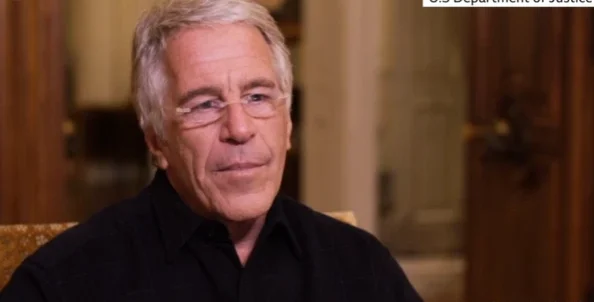
Jeffrey Epstein : The Files, the Island, the Money, and the Unanswered Questions
Few modern criminal cases have generated as much global attention, controversy, and long-term speculation as the story of Jeffrey Epstein. His rise from relative obscurity to extreme wealth, his connections to powerful figures, and his death in federal custody have left the public with more questions than answers. Even years later, interest remains intense, especially around the Epstein files, Epstein Island, and how he built his fortune.
Who Was Jeffrey Epstein and Why His Case Matters
Jeffrey Epstein was an American financier who became widely known not for his financial work, but for running a long-term sex trafficking operation involving underage girls. His case matters because it exposed how wealth, influence, and social connections can be used to evade accountability for years.
Unlike many criminal cases, Epstein’s story did not end with a clear courtroom resolution. His arrest, detention, and sudden death intensified public scrutiny and fueled ongoing investigations into people and systems connected to him.
How Did Jeffrey Epstein Make His Money
One of the most common questions is how Epstein accumulated such extraordinary wealth despite having no clearly documented financial career comparable to major hedge fund managers.
Epstein began his professional life as a teacher before entering finance in the 1970s. He later claimed to manage money exclusively for billionaires, positioning himself as a private financial advisor rather than a traditional fund manager. This structure allowed him to avoid the transparency required of regulated investment firms.
Much of his wealth appears to have come from managing assets for ultra-rich clients, charging high fees, and leveraging tax strategies. However, no public records fully explain the scale of his fortune. This lack of clarity has fueled speculation and investigations into whether his income sources were entirely legitimate.
What is clear is that Epstein used his wealth strategically. Private jets, luxury properties, and political donations helped him gain access to influential social circles, which later became a major focus of investigative reporting.
What Is Epstein Island
Epstein Island refers to Little Saint James, a privately owned island in the U.S. Virgin Islands purchased by Epstein in the late 1990s.
The island became infamous after survivors reported that it was used as a location where abuse and trafficking occurred. Due to its isolation, private docks, and restricted access, the island allowed activities to remain hidden from public oversight for years.
The property included luxury residences, guest houses, surveillance systems, and staff quarters. Witness accounts later suggested that the island was used to host powerful visitors, adding to the case’s international significance.
What Happened to Epstein Island After His Arrest
After Epstein’s arrest in 2019, Epstein Island was raided by law enforcement as part of ongoing investigations. Evidence was collected, and access to the island became restricted.
Following Epstein’s death, the island was placed under the control of his estate. Eventually, it was sold to a private buyer. Despite the sale, the island remains a symbol of the case and is frequently referenced in discussions about accountability, secrecy, and elite privilege.
The sale did not end public interest. Many believe the island holds unanswered truths about who knew what, and when.
When Did Jeffrey Epstein Die
Jeffrey Epstein died on August 10, 2019, while being held at the Metropolitan Correctional Center in New York. His death was officially ruled a suicide by hanging.
However, the circumstances surrounding his death raised immediate concerns. Epstein had been on suicide watch earlier, malfunctioning cameras were reported, and guards allegedly failed to follow protocol. These irregularities led to widespread skepticism and multiple investigations.
Even today, his death remains one of the most debated aspects of the entire case.
What Are the Epstein Files
The Epstein files refer to a collection of court documents, depositions, flight logs, emails, and evidence connected to Epstein’s criminal activities and civil lawsuits filed by survivors.
These files are important because they potentially identify individuals who interacted with Epstein, visited his properties, or were part of his network. Not all names listed imply wrongdoing, but the files help investigators and journalists understand the scope of Epstein’s operations.
Many documents were sealed for years to protect victims and ongoing legal actions, which increased public anticipation about their eventual release.
When Will the Epstein Files Be Released
The release of the Epstein files has occurred in stages rather than all at once. Courts have gradually unsealed documents related to civil cases, especially those involving Epstein’s associates.
Some files were released years after Epstein’s death, while others remain restricted due to privacy laws, ongoing legal considerations, or victim protection. There is no single confirmed date when all Epstein files will be fully released.
Future releases depend on court rulings, appeals, and the balance between public interest and survivor safety. This ongoing process explains why new information continues to emerge years later.
Epstein’s Network and Powerful Connections
One reason the Epstein case remains relevant is the sheer number of influential figures linked to him socially or professionally. Epstein cultivated relationships with politicians, business leaders, academics, and celebrities.
These connections helped him maintain legitimacy and deflect suspicion for decades. Investigations have shown that Epstein used his status as a wealthy financier to gain trust and silence scrutiny.
Importantly, being associated with Epstein does not automatically imply criminal involvement. However, understanding these connections is essential to examining how abuse networks operate at elite levels.
Legal Aftermath and Civil Lawsuits
After Epstein’s death, criminal prosecution ended, but civil cases continued. Survivors filed lawsuits against Epstein’s estate and associates, seeking compensation and accountability.
Epstein’s estate eventually agreed to significant financial settlements with victims. These cases helped bring more details to light, including testimony about how Epstein recruited, transported, and controlled victims.
Civil litigation remains one of the primary ways survivors have been able to tell their stories publicly.
Why the Epstein Case Still Matters Today
The Epstein case exposed failures across multiple systems, including law enforcement, financial regulation, and institutional oversight. It raised serious questions about how wealth and power can shield criminal behavior.
It also led to renewed discussions about victim protection, transparency in elite financial circles, and accountability for facilitators who enable abuse without directly committing it.
Public interest continues because the case is not just about one man, but about structures that allowed him to operate unchecked.
Conclusion
Jeffrey Epstein’s story is disturbing, complex, and far from resolved. Questions about how he made his money, what happened on Epstein Island, when the Epstein files will be released, and how he died continue to shape public discourse.
While Epstein himself is gone, the impact of his actions remains. The ongoing release of documents and civil proceedings ensures that the case continues to influence discussions about justice, power, and accountability.
Understanding the full picture is not about sensationalism. It is about learning how systems fail and how they can be challenged so similar abuses are harder to hide in the future.
FAQ
Who was Jeffrey Epstein
Jeffrey Epstein was an American financier who became widely known for running a sex trafficking network involving underage girls. He maintained relationships with wealthy and influential individuals, which allowed him to avoid serious consequences for many years. His case gained global attention after his arrest in 2019 and his death while in federal custody.
When did Jeffrey Epstein die
Jeffrey Epstein died on August 10, 2019, while being held at the Metropolitan Correctional Center in New York City. Authorities officially ruled his death a suicide. However, unusual circumstances surrounding jail procedures led to widespread public doubt and multiple investigations.
How did Jeffrey Epstein make his money
Epstein claimed to earn his wealth by managing money for extremely wealthy clients. He positioned himself as a private financial advisor rather than a public hedge fund manager. Despite these claims, no clear public records fully explain how he accumulated such vast wealth, which has fueled ongoing speculation and investigations.
What is Epstein Island
Epstein Island refers to Little Saint James, a private island in the U.S. Virgin Islands owned by Epstein. The island became infamous after victims reported that abuse and trafficking occurred there. Its remote location made it difficult for authorities to monitor activities for many years.
What happened to Epstein Island after his arrest
After Epstein’s arrest, the island was searched by law enforcement as part of criminal investigations. Following his death, the island was controlled by his estate and later sold to a private buyer. Despite the sale, it remains closely associated with the case and public scrutiny continues.
What are the Epstein files
The Epstein files are a collection of legal documents, court filings, depositions, emails, and flight records connected to Epstein’s criminal and civil cases. These files help reveal how his network operated and identify individuals who interacted with him, though inclusion in the files does not automatically mean wrongdoing.
When will the Epstein files be released
The Epstein files have been released gradually through court orders rather than all at once. Some documents were unsealed years after Epstein’s death, while others remain restricted to protect victims or due to ongoing legal matters. There is no confirmed date for a complete release.
Were powerful people connected to Jeffrey Epstein
Yes, Epstein associated with politicians, business leaders, academics, and celebrities. These relationships helped him maintain credibility and avoid scrutiny. Investigations continue to examine the extent of these connections, though association alone does not prove criminal involvement.
Why is the Jeffrey Epstein case still important today
The case highlighted serious failures in legal systems, financial oversight, and accountability among powerful individuals. It also sparked broader conversations about victim protection, transparency, and how wealth can be used to hide criminal behavior.
Did Epstein face justice for his crimes
Epstein was arrested and charged in 2019, but his death ended criminal proceedings. However, civil lawsuits continued against his estate and associates. Many victims received financial settlements, allowing some level of accountability despite the lack of a criminal trial.
About the Author