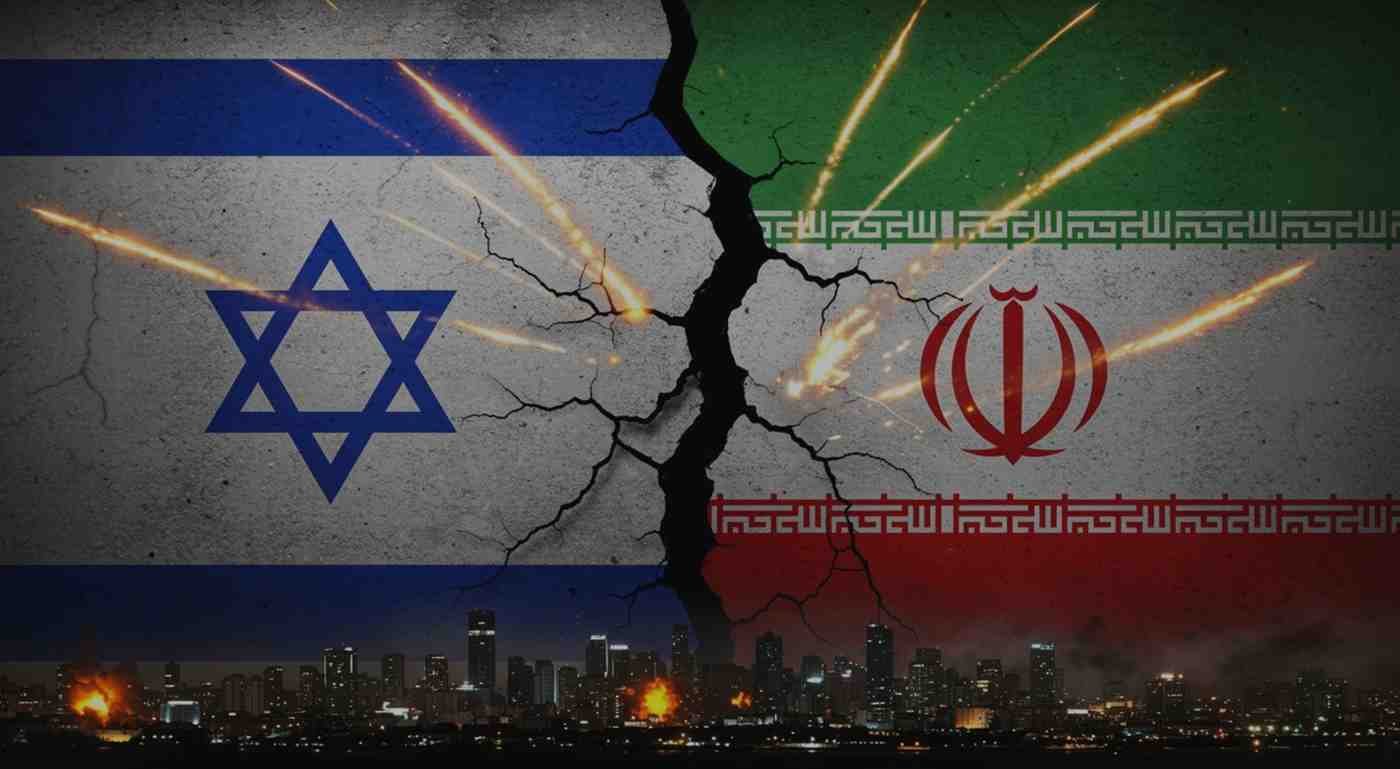
Iran Israel Conflict: Latest War Updates
The Iran Israel conflict is one of the most complex and closely watched geopolitical tensions in the modern world. For decades, hostility between the two countries has influenced the balance of power in the Middle East. Although they are not neighboring states, their rivalry has shaped regional politics, military strategies, and international diplomacy.
In recent years, discussions about a potential Iran Israel war have become increasingly common. Political statements, proxy conflicts, cyber warfare, and occasional military actions have heightened concerns about a broader confrontation. Media outlets frequently report Iran Israel war latest news and Iran Israel war updates today, reflecting the global interest in how this conflict might develop.
Historical Background of Iran–Israel Relations
Interestingly, Iran and Israel were not always enemies. Before 1979, Iran maintained relatively friendly relations with Israel. Under the rule of the Shah, Iran recognized Israel and maintained diplomatic and economic ties.
However, everything changed after the 1979 Islamic Revolution in Iran. The new leadership adopted a strong ideological stance against Israel, refusing to recognize it as a legitimate state. Since then, Iran has referred to Israel as an adversary and has supported groups that oppose Israeli policies in the region.
From that point onward, the relationship shifted from cooperation to deep hostility. Over time, the rivalry expanded beyond political disagreement and evolved into a strategic conflict involving intelligence operations, proxy groups, and military planning.
Key Reasons Behind the Iran Israel Conflict
Several major factors contribute to the ongoing tension between Iran and Israel.
Ideological Differences
Iran’s leadership promotes an anti-Israel ideology rooted in its revolutionary political identity. Israeli leaders, on the other hand, view Iran’s rhetoric and policies as a direct threat to their country’s security.
Nuclear Concerns
One of the most significant issues in the Iran–Israel conflict is Iran’s nuclear program. Israel believes that Iran’s nuclear ambitions could eventually lead to nuclear weapons development, which Israel considers unacceptable.
Iran insists that its nuclear program is for peaceful energy purposes. However, Israel has repeatedly warned that it will take action if it believes Iran is approaching nuclear weapon capability.
Regional Influence
Both countries compete for influence in the Middle East. Iran supports groups and governments across the region, while Israel works closely with allies and partners to counterbalance Iranian power.
This competition has intensified conflicts in countries such as Syria, Lebanon, and Iraq.
Proxy Conflicts and Indirect Warfare
Although a direct Iran Israel war has not occurred on a full scale, both countries have engaged in indirect confrontation through proxy groups.
Iran is known for supporting regional militias and political movements that oppose Israel. These groups operate in various parts of the Middle East and sometimes clash with Israeli forces.
Israel has responded with intelligence operations, targeted strikes, and strategic alliances aimed at limiting Iran’s influence.
This form of indirect conflict allows both countries to compete without engaging in a direct military confrontation that could escalate into a regional war.
Military Capabilities of Iran and Israel
If an Iran Israel war were to occur, both countries possess significant military capabilities.
Iran’s Military Strength
Iran has one of the largest armed forces in the Middle East. Its military strategy focuses heavily on missile systems, drones, and regional allies.
Iran has invested heavily in ballistic missile technology and drone warfare, which can potentially reach distant targets.
In addition, Iran maintains strong relationships with armed groups across the region, allowing it to project influence beyond its borders.
Israel’s Military Power
Israel is widely considered one of the most technologically advanced military powers in the region.
Israel has a highly modern air force, advanced missile defense systems, and sophisticated intelligence capabilities. Its defense technologies include systems designed to intercept incoming rockets and missiles.
Israel also maintains a policy of rapid response and preemptive defense when it perceives an immediate threat.
Cyber Warfare Between Iran and Israel
Another important dimension of the conflict is cyber warfare. Both countries are believed to have conducted cyber operations against each other.
These cyber attacks often target infrastructure, government systems, and strategic industries. Cyber warfare allows both sides to disrupt the other without direct military confrontation.
Experts believe that cyber conflict between Iran and Israel will continue to expand as technology becomes more integrated into national security.
Iran Israel War Latest News and Recent Developments
The topic of Iran Israel war latest news frequently appears in global media due to rising tensions and military activities in the Middle East.
Recent developments often involve:
- Missile tests
- Military exercises
- Air strikes in conflict zones
- Political statements from leaders
- Diplomatic negotiations involving international powers
These developments contribute to uncertainty about whether tensions could escalate into a direct confrontation.
Global analysts closely monitor each incident because even small events can trigger broader escalation.
Iran Israel War Updates Today: What Experts Are Watching
When discussing Iran Israel war updates today, analysts typically focus on several critical factors.
Nuclear Negotiations
International negotiations regarding Iran’s nuclear program remain one of the most important issues influencing tensions. Any progress or breakdown in these talks can significantly impact the risk of conflict.
Military Activities in the Region
Movements of military forces, missile deployments, and joint exercises can signal rising tensions.
Diplomatic Relations
Regional alliances are constantly evolving. New diplomatic agreements between countries in the Middle East can shift the balance of power.
Proxy Conflicts
Fighting involving regional groups can escalate tensions and increase the risk of direct confrontation between Iran and Israel.
The Role of Global Powers
The Iran Israel conflict also involves major international actors.
Countries such as the United States, Russia, and European nations often play roles in diplomatic negotiations, sanctions, and security arrangements.
The United States has historically supported Israel’s security, while also participating in negotiations regarding Iran’s nuclear program.
Global powers generally aim to prevent a full-scale war, as such a conflict could destabilize the entire Middle East and affect global markets.
Economic and Global Impact of a Potential Iran Israel War
If a direct Iran Israel war were to occur, the consequences would extend far beyond the Middle East.
Energy Markets
The Middle East is a major hub for global energy supplies. Any large-scale conflict could disrupt oil and gas production, leading to higher global energy prices.
International Trade
War could affect shipping routes, transportation networks, and international commerce.
Regional Stability
Neighboring countries might become involved either directly or indirectly, expanding the scale of the conflict.
Because of these risks, international diplomacy often focuses on preventing escalation.
Media Coverage and Public Attention
The frequent appearance of Iran Israel war updates today in news headlines demonstrates the global importance of this conflict.
Media coverage often highlights:
- military tensions
- diplomatic negotiations
- intelligence operations
- international reactions
Public interest remains high because the conflict involves significant geopolitical stakes.
Possible Future Scenarios
Experts often discuss several possible outcomes for the Iran Israel conflict.
Continued Indirect Conflict
The most likely scenario is that both countries continue their current strategy of indirect confrontation without direct war.
Diplomatic De-Escalation
Diplomatic agreements or regional cooperation could reduce tensions over time.
Limited Military Escalation
Occasional clashes or targeted strikes could occur without expanding into a full-scale war.
Full-Scale Conflict
Although less likely, a major incident could trigger a broader Iran Israel war involving multiple countries.
Why the Iran Israel Conflict Matters Globally
The Iran Israel conflict is not just a regional issue. It has global implications for security, diplomacy, and economic stability.
Because both countries play important roles in Middle Eastern politics, their rivalry influences many other regional conflicts and alliances.
International organizations, governments, and security experts therefore continue to monitor the situation closely.
Understanding the historical background, political motivations, and military capabilities involved helps explain why the conflict remains one of the most important geopolitical challenges today.
Conclusion
The ongoing tension between Iran and Israel represents one of the most complex rivalries in modern international politics. What began as a diplomatic shift after the 1979 revolution has evolved into a long-term strategic conflict involving ideology, military power, regional influence, and global diplomacy.
While a full-scale Iran Israel war has not yet occurred, the possibility continues to concern international observers. With frequent Iran Israel war latest news and Iran Israel war updates today, the world closely watches every development.
Despite the risks, many experts believe that diplomacy and strategic restraint will remain key factors preventing a large-scale confrontation. However, the situation remains dynamic, and future developments could reshape the political landscape of the Middle East.
FAQ: Iran Israel Conflict
1. What is the Iran Israel conflict?
The Iran Israel conflict refers to the long-standing political, military, and ideological tension between Iran and Israel. The rivalry intensified after the 1979 Iranian Revolution when Iran ended diplomatic relations with Israel.
2. Has there been a direct Iran Israel war?
There has not been a full-scale direct Iran Israel war. However, both countries have been involved in indirect conflicts, cyber warfare, and military tensions through regional alliances and proxy groups.
3. What is the main reason behind the Iran Israel conflict?
The main reasons include ideological differences, Iran’s nuclear program, and competition for influence in the Middle East. Israel considers Iran’s policies and military capabilities a major security concern.
4. What are the latest Iran Israel war updates today?
Iran Israel war updates today often include military activities, political statements, cyber operations, and developments related to Iran’s nuclear program that may increase regional tensions.
5. Why is the Iran Israel conflict important globally?
The Iran Israel conflict is important because it affects Middle East stability, global energy markets, and international diplomacy. A major escalation could impact global security and economic conditions.
6. Could the Iran Israel conflict lead to a major war?
Experts believe a full-scale Iran Israel war is possible but unlikely in the near future. Most tensions currently remain indirect through regional conflicts and strategic pressure.
About the Author