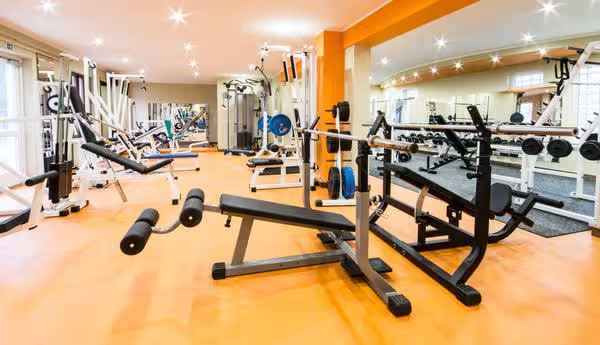
The idea sounds playful and surprisingly calm. Imagine a spin studio unfolding beside glowing tanks while the building rests Sound stays gentle. Floors stay pristine. Guests pedal as schools of silver turn like confetti in slow motion. For planning notes and contact details, a quick bookmark helps:https://beezeemovers.com/fitness-equipment-movers-in-los-angeles. From there, logistics align with conservation rules and late hour realities. The result is a whisper light build out timed to tides, timers, and maintenance windows, and it feels almost like stagecraft performed with library manners.
Water Teaches The Room To Breathe
Any studio near exhibits must behave like a good neighbor. So routing favors wide arcs, padded turns, and courteous speeds. Cables tuck away. Vibration hides under isolation pads. Lighting chooses kindness over glare. Meanwhile, tank caretakers get the last word on proximity and timing. That agreement keeps marine residents unbothered and crews unhurried. The space answers back with cooperation.
- Low decibel wheels keep corridors peaceful.
- Floor runners respect terrazzo and sealants.
- Corner shields protect glass and signage.
- Soft straps cradle frames without scuffs.
After the first quiet pass, the room begins to feel generous. The exit signs appear friendlier when the plan moves at aquarium speed.
A Studio That Sips Sound And Shares Space
The build favors compact bikes, tempered mats, and cable pathways that refuse to tangle. Instructors test cues at library volume, then try them again while pumps hum. Wayfinding dots the floor like small constellations, making arrivals instinctive and traffic natural. The ride profile leans toward steady climbs and playful intervals, never thunder. Camera angles avoid reflections that make fish look startled. Every decision reads cooperation first, spectacle second.
Could A Spin Class Learn From A Jellyfish Drift
Patterns from the exhibits translate well to pacing. Start with curiosity. Glide into rhythm. Crescendo gently. Return with grace. That script helps monitor decibels and wipe schedules while keeping morale high. Even playlist choices echo the water. Nods to tide pools. Splashes of brass for momentum. Long ambient stretches that let bodies remember ease. The result feels intentional instead of improvised, which keeps staff relaxed and guests delighted.
- Checklists travel with cases and chargers.
- Batteries swap during natural traffic breaks.
- Mats rotate before moisture becomes mischief.
- Lenses clean before each quiet session.
- Final sweep verifies trails and thresholds.
The more the class respects flow, the more the building seems to help. Doors queue without fuss. Elevators arrive like good timing, not luck. The entire night reads like a conversation that went surprisingly well.
Why Do Electric Arrivals Change Everything For Aquariums
Electric fleets remove exhaust and shrink noise, which benefits lungs and fins alike. Operators plan docks with curbside courtesy, then text updates that feel like small gifts to overnight security. Staging favors spill proof zones and swift escapes if emergencies call. Meanwhile, signage promises discretion. No flashes. No shouting. No heavy perfumes. Even the warmup script acknowledges the neighbors, and that acknowledgment pays off in goodwill and future invitations.
By dawn, the studio vanishes without a footprint. The tanks glow. The floor gleams. The visitors who arrive later will never guess a hundred quiet miles were ridden beside coral and kelp. Only the schedule remembers, plus a few grateful calves and one delighted operations manager who got to watch a building and a class share good manners at two
About the Author